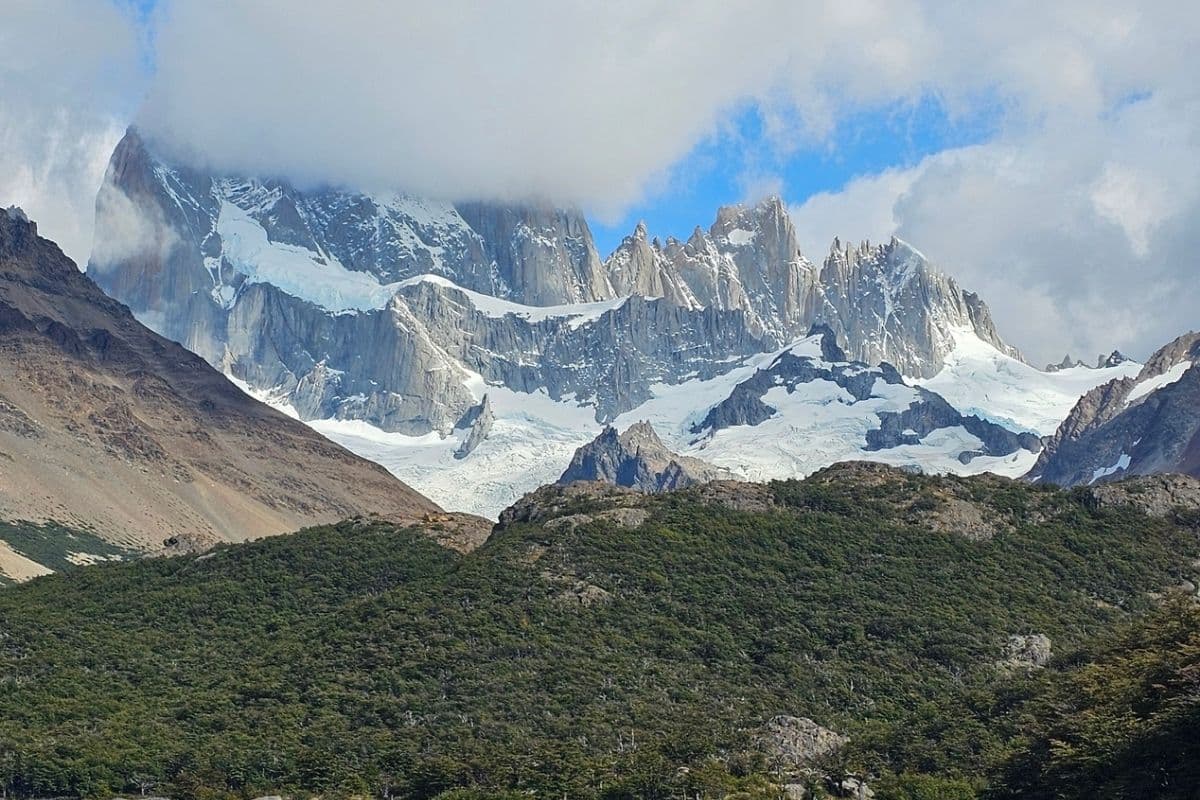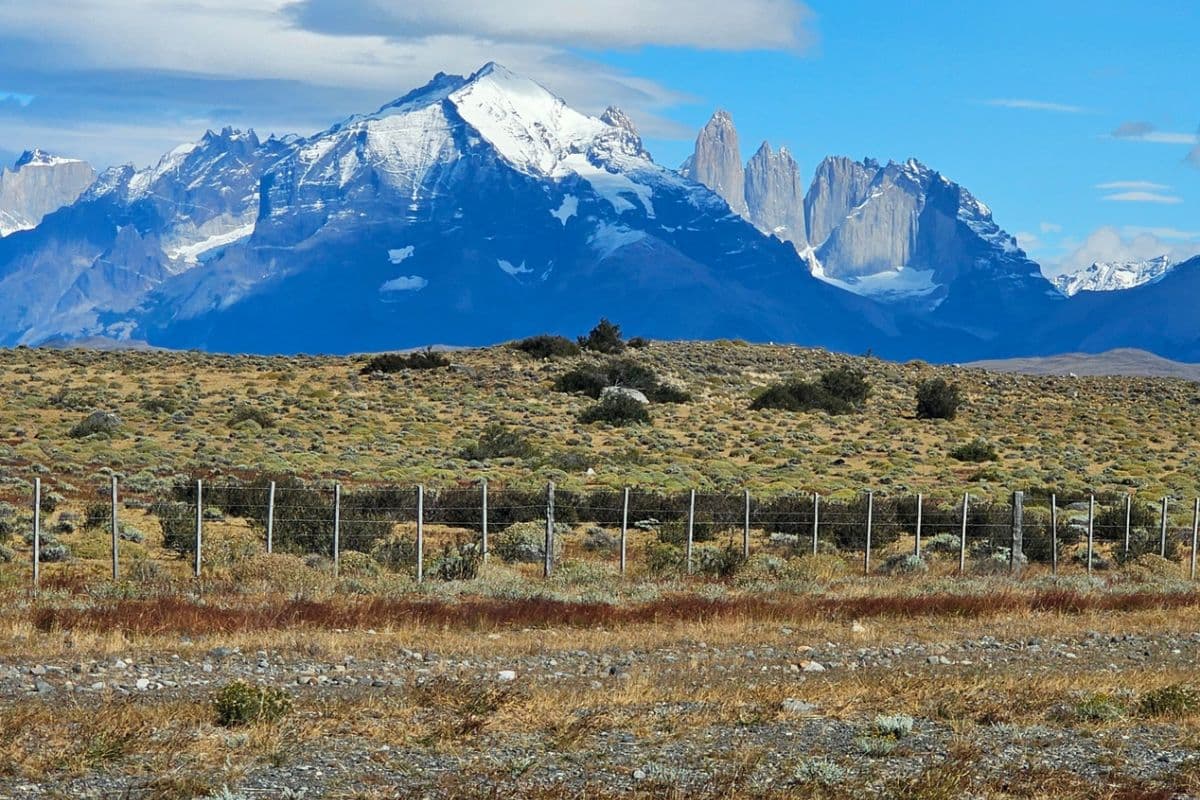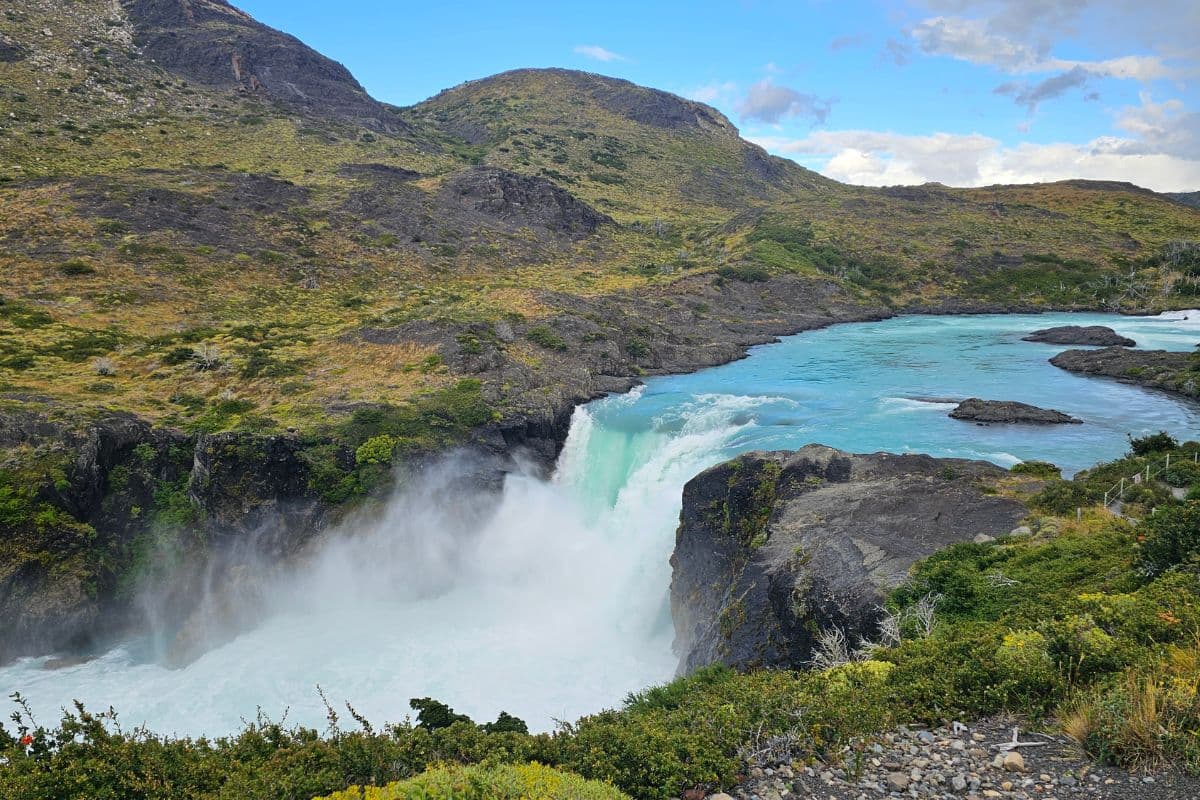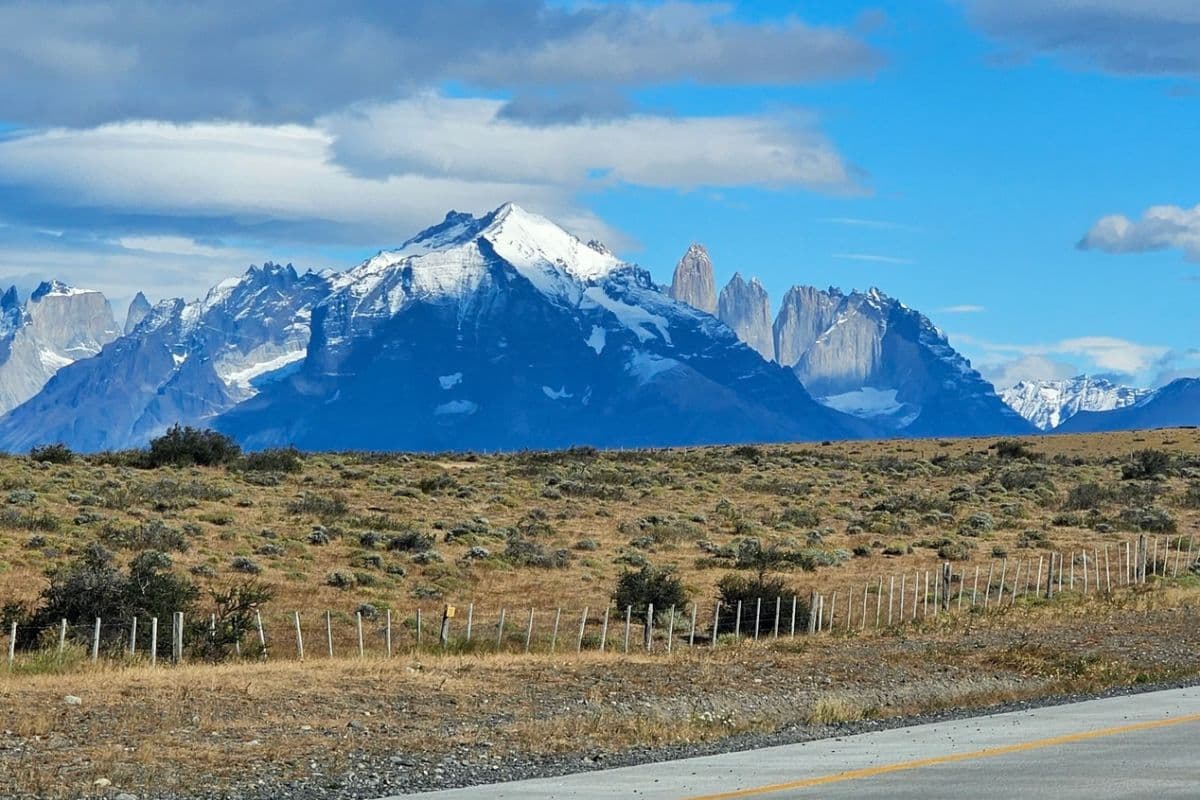
Patagonia has a reputation for being an expensive, once-in-a-lifetime splurge destination. Having just done three weeks across Chile and Argentina with a toddler, I can tell you it cost us considerably less than most people assume — largely because we travelled independently rather than through package tours.
For the full trip story, read the Complete Patagonia Travel Guide and driving to Torres del Paine.
The Big Cost Categories
Flights
International flights into Patagonia typically route through Santiago (Chile) or Buenos Aires (Argentina), with a further domestic connection to Patagonian gateway airports like Punta Arenas or El Calafate. Book these as far in advance as possible — domestic Patagonian routes have limited capacity and prices climb fast closer to peak season.
Car Hire
We used a rental car for the Chilean side specifically for driving to Torres del Paine ourselves rather than joining organised tours. A few days of car hire gave us total flexibility for an extra cost that was still meaningfully less than equivalent guided tour packages would have charged.
Free Download
Free Patagonia Packing List
What I actually carried at Torres del Paine with a toddler.
Accommodation
This is where independent travel makes the biggest difference. We mixed camping (genuinely one of the best ways to experience Patagonia's parks) with budget hostels and guesthouses in towns like Puerto Natales and El Chaltén. Full hotel stays throughout the trip would have multiplied this cost significantly.
Accommodation Tip
Camping inside or near the parks is not just cheaper — it's arguably the better experience. Waking up already inside Torres del Paine or a short walk from El Chaltén's trailheads beats a hotel transfer every morning.
Food
Self-catering for the majority of meals, particularly while camping, kept food costs low. Eating out in towns like Puerto Natales and El Chaltén carries a premium given the remote logistics of supplying these areas, so we reserved restaurant meals for specific occasions rather than every night.
Park Entrance Fees
Torres del Paine and other Patagonian national parks charge entrance fees, separate from any car hire or accommodation costs. Budget for these specifically — they're not large individually, but add up across a multi-week trip covering several parks.
Argentina vs Chile — Where Your Money Goes Further
Argentina's currency situation has made prices notably favourable in recent years when paying with cards or exchanging through official channels rather than at inflated tourist rates. Chile tends to run more expensive overall but offers better road infrastructure, which matters if you're self-driving significant distances.
Currency Tip
Use a fee-free card like Wise for both currencies rather than relying on airport exchange counters, which consistently offer the worst rates. Carry backup cash for smaller towns where card acceptance is unreliable.
What We'd Do Differently
Looking back, the biggest saving opportunity we didn't fully take advantage of was shoulder season timing — travelling slightly outside peak months would have reduced both accommodation and car hire costs further, without meaningfully compromising the weather or experience.
The Bottom Line
Independent travel — self-driving, mixing camping with budget accommodation, self-catering — is what actually makes Patagonia affordable. Package tours and full hotel stays throughout would have multiplied our costs several times over for a comparable three-week trip.
Related Posts
- The Complete Patagonia Travel Guide
- Driving to Torres del Paine
- El Chaltén: Argentina's Hiking Capital
- Patagonia Packing List
Frequently Asked Questions
Our three-week trip across Chile and Argentina, including flights, accommodation, car hire, food and park entrance fees, came in significantly under what most people assume Patagonia costs — largely because we travelled independently rather than through package tours, and mixed camping with budget accommodation.
Build your trip plan as you read
Use the free Wandering Bajans trip planner to build your itinerary, packing list and budget as you go.
Open the Trip Planner →