The North Coast 500 has a reputation as one of the great road trips of the world, and having now driven it, I understand exactly why. A 516-mile loop around the top of Scotland starting and ending in Inverness — dramatic coastline, castles, whisky, wild camping, and weather that can turn from perfect sunshine to a windstorm shaking your tent in the space of an evening.
We did it in a Defender with a rooftop tent, and added extra days onto the end to head south to Applecross and across to the Isle of Skye. This is everything from that trip.
The Route
We drove north from Inverness up the east coast first — the classic clockwise NC500 route. This takes you up through Caithness towards John o' Groats before the road turns west along the dramatic north coast, then south down the west coast back towards Inverness.
East Coast to John o' Groats
The drive north from Inverness builds gradually — the landscape opens up the further north you go, and by the time you're approaching Caithness the scenery has shifted into something wilder and more remote.
John o' Groats was a genuine highlight — not just for reaching the famous signpost at the most north-easterly point on the mainland, but for the fish and chips at the hotel there. Simple, but exactly what you want after a day of driving. If you're doing the NC500, this is a non-negotiable stop.
Near John o' Groats we also visited Castle of Mey — the late Queen Mother's former Scottish home, with beautiful gardens and a genuinely interesting history. Worth the stop if castles are your thing.
John o' Groats Tip
Book a table at the hotel restaurant if you can, particularly in peak season — it gets busy with people doing exactly what we were doing. The fish and chips are worth the wait either way.
The Windstorm
One night at John o' Groats we experienced proper Scottish coastal weather — a windstorm strong enough to shake the Defender and the rooftop tent through the night. We were completely fine, but it was a genuine reminder of how exposed the north coast is to whatever the Atlantic and North Sea decide to throw at it.
If you're camping (rooftop tent or otherwise) along the north coast, check the forecast properly and have a backup plan for particularly exposed pitches.
Along the North Coast
The drive along the north coast itself is where the NC500 earns its reputation. Dramatic, rugged, constantly changing — cliffs, beaches, tiny communities, and views out towards Orkney on a clear day.
One of the standout stops along here was Smoo Cave near Durness — a large combined sea cave and freshwater cave system, partly accessible on foot with a waterfall inside from the burn that flows through it. Genuinely impressive and an easy stop right off the road.
Smoo Cave Tip
The cave is free to walk into and explore the first chamber. If you want to go further in to see the waterfall properly, boat tours run seasonally — check ahead if that's something you want to do rather than just the walk-in section.
Free Download
Free Cold Weather Packing List
The complete list for adventure travel in cold climates.
Whisky Country
Scotland's whisky heritage is woven into the NC500 route, and we made time for a couple of distilleries along the way.
Glenmorangie (Tain) — one of the most famous names in Highland whisky, right on the NC500 route on the east coast. A proper stop if you're doing the east coast leg.
Glenfiddich (Dufftown) — technically a detour off the main NC500 loop but well worth it if you have the time, given it's one of Scotland's most famous whisky names.
Distillery Tip
If you're driving, obviously one person needs to stay sober for the tastings — or split your distillery visits across different days so everyone gets a turn.
Finding Places to Camp
One of the best things about doing the NC500 with a rooftop tent was the flexibility to find our own spots rather than being tied to campsites every night. We found several small parks and hidden pull-ins along the route that made for genuinely beautiful overnight stops.
Not every night went to plan — outside Ullapool, we ended up in a small lay-by fairly late in the evening. Not the most scenic spot we camped in, but sometimes when it's getting dark and you need somewhere to stop, a lay-by is exactly what it is. Part of the reality of a trip like this.
Wild Camping Tip
Wild camping is legal in Scotland under the Land Reform Act, but the earlier in the day you start looking for a spot, the better your options. Leaving it until dusk (as we did outside Ullapool) limits your choices considerably.
The West Coast
The road continues down towards Ullapool and the west coast, where the scenery shifts again — sea lochs, mountains, and some of the most photographed views on the entire route.
Extending South — Applecross and the Isle of Skye
We added a few extra days onto the trip beyond the official NC500 loop, heading south to Applecross and across to the Isle of Skye. If you have the time, this extension is well worth it.
Applecross is reached via the Bealach na Bà — one of the highest and most dramatic mountain roads in Scotland, a genuine highlight of driving in this part of the country in its own right.
From there we made our way across to Skye and hiked the Old Man of Storr — a striking rock pinnacle on the Trotternish Peninsula and one of the most iconic walks on the island. The path climbs steadily through forest before opening up to the rock formations, with views back down over the sea. Give yourself a couple of hours for the round trip, more if you want to properly take it in.
We also drove out to Dunvegan Castle on Skye — the oldest continuously inhabited castle in Scotland, home to Clan MacLeod for over 800 years. Beautiful gardens alongside the castle itself, well worth the stop if you're already on that side of the island.
Applecross to Skye Tip
If you're extending beyond the official NC500 loop, build in extra days rather than trying to squeeze Applecross and Skye into the same pace as the main route. The Bealach na Bà alone deserves unhurried driving, and Skye has enough to fill several days on its own.
Food on the Road
We kept things simple with a camp stove setup for most meals — the classic road trip approach of quick, easy food that doesn't require much cleanup. John o' Groats aside, the NC500 has good options for proper meals in the towns along the route if you want a break from cooking.
Weather
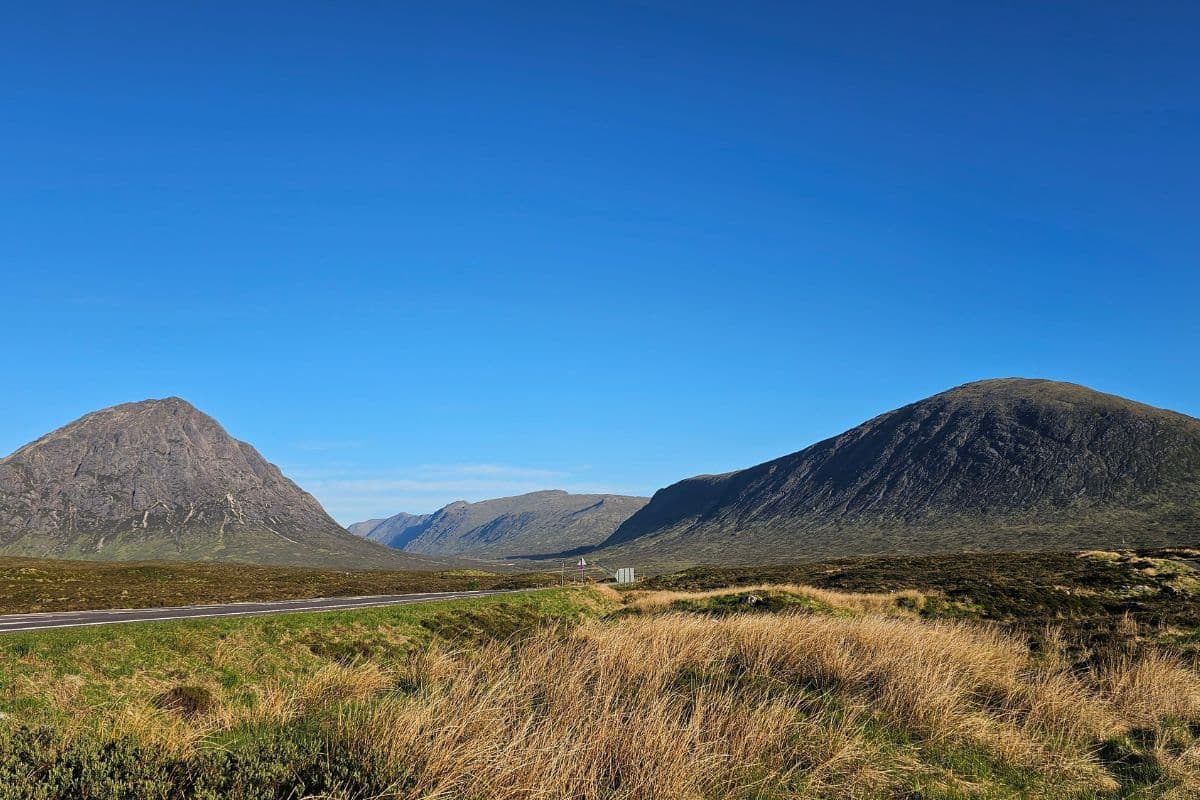
We had beautiful sunshine for most of the week in May, which made an enormous difference to the whole experience — the north coast in good weather is genuinely one of the most beautiful drives in Britain. The windstorm at John o' Groats was the exception rather than the rule, but it's a reminder that Scottish coastal weather can turn quickly regardless of the forecast.
Practical Information
Route length: Approximately 516 miles (830km), starting and ending in Inverness.
How long to allow: A week gave us a good pace with time to actually stop and explore. It can be done faster but I wouldn't recommend it.
Direction: We drove clockwise (east coast first). Either direction works.
Vehicle: A standard car handles the route fine. We used a Defender with a rooftop tent for camping flexibility.
Camping: Wild camping is legal in Scotland under the Land Reform Act. Start looking for a spot earlier in the day rather than leaving it to dusk.
Best time to go: Late spring to early autumn for the best balance of weather and fewer midges. Pack for all conditions regardless of season.
Free Download
Free Cold Weather Packing List
The complete list for adventure travel in cold climates.
More Scotland Content
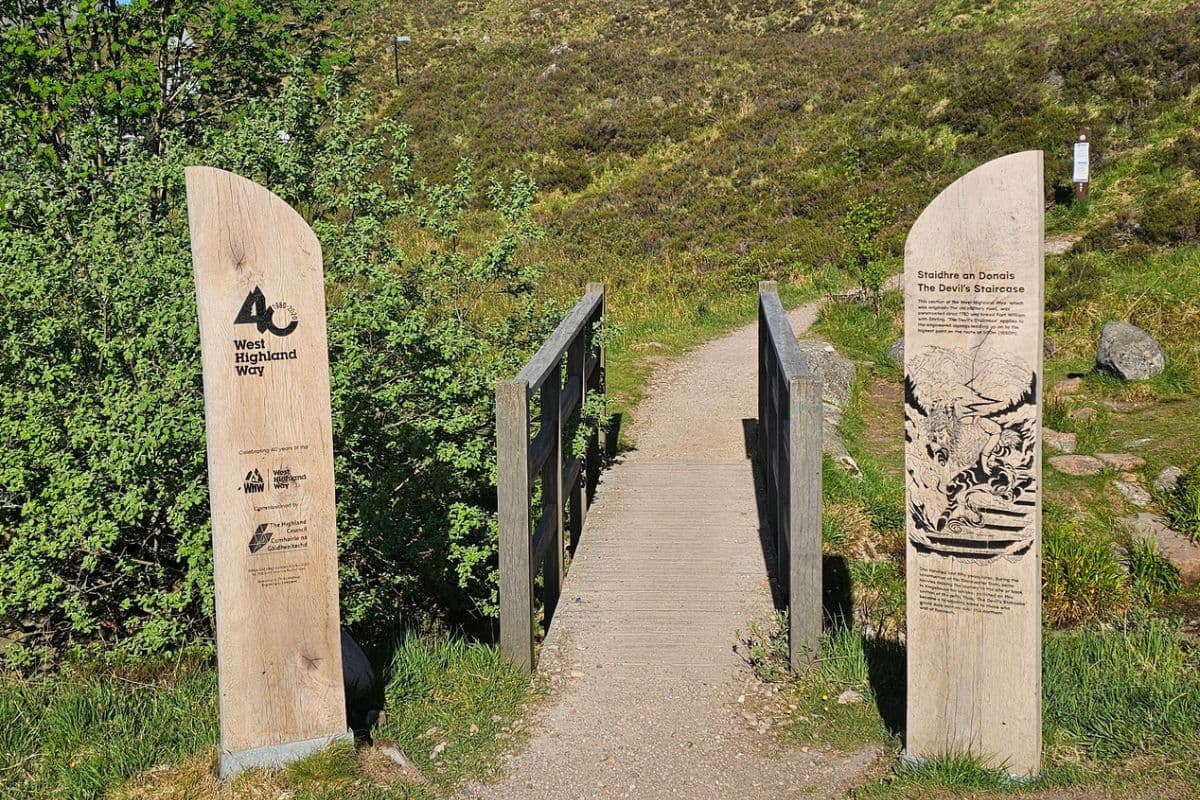
For the West Highland Way, read the full day-by-day itinerary and the West Highland Way packing list.
Frequently Asked Questions
The official route is around 516 miles (830km) and can technically be driven in 5 days. A week is a much better pace if you actually want to stop, explore and enjoy it rather than just covering distance — that's how long we took.
Build your trip plan as you read
Use the free Wandering Bajans trip planner to build your itinerary, packing list and budget as you go.
Open the Trip Planner →